VISUAL SETUP LAB

Meet the Dry Box Cabinet
Protect What Matters.
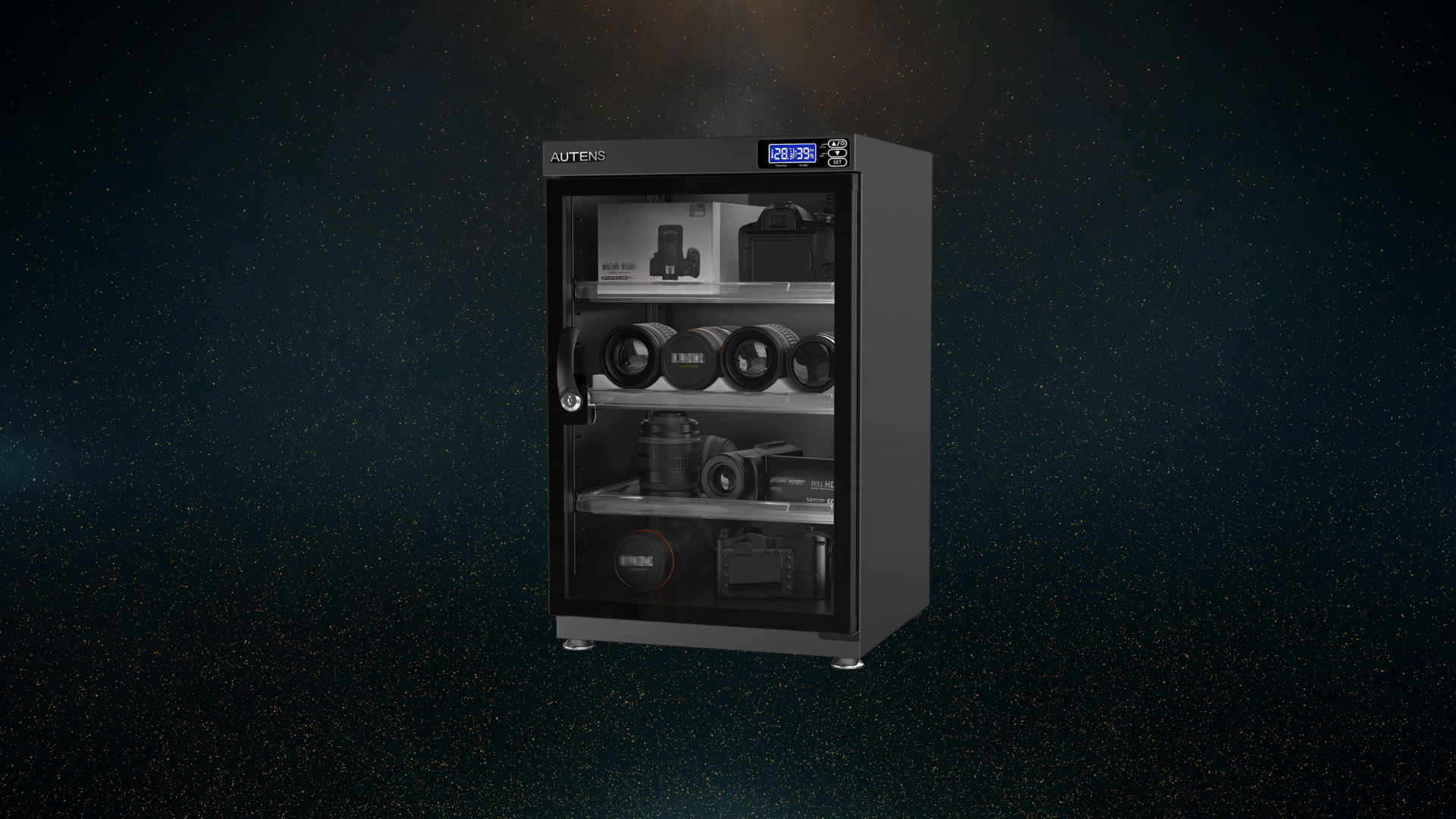
Dry Box Cabinet
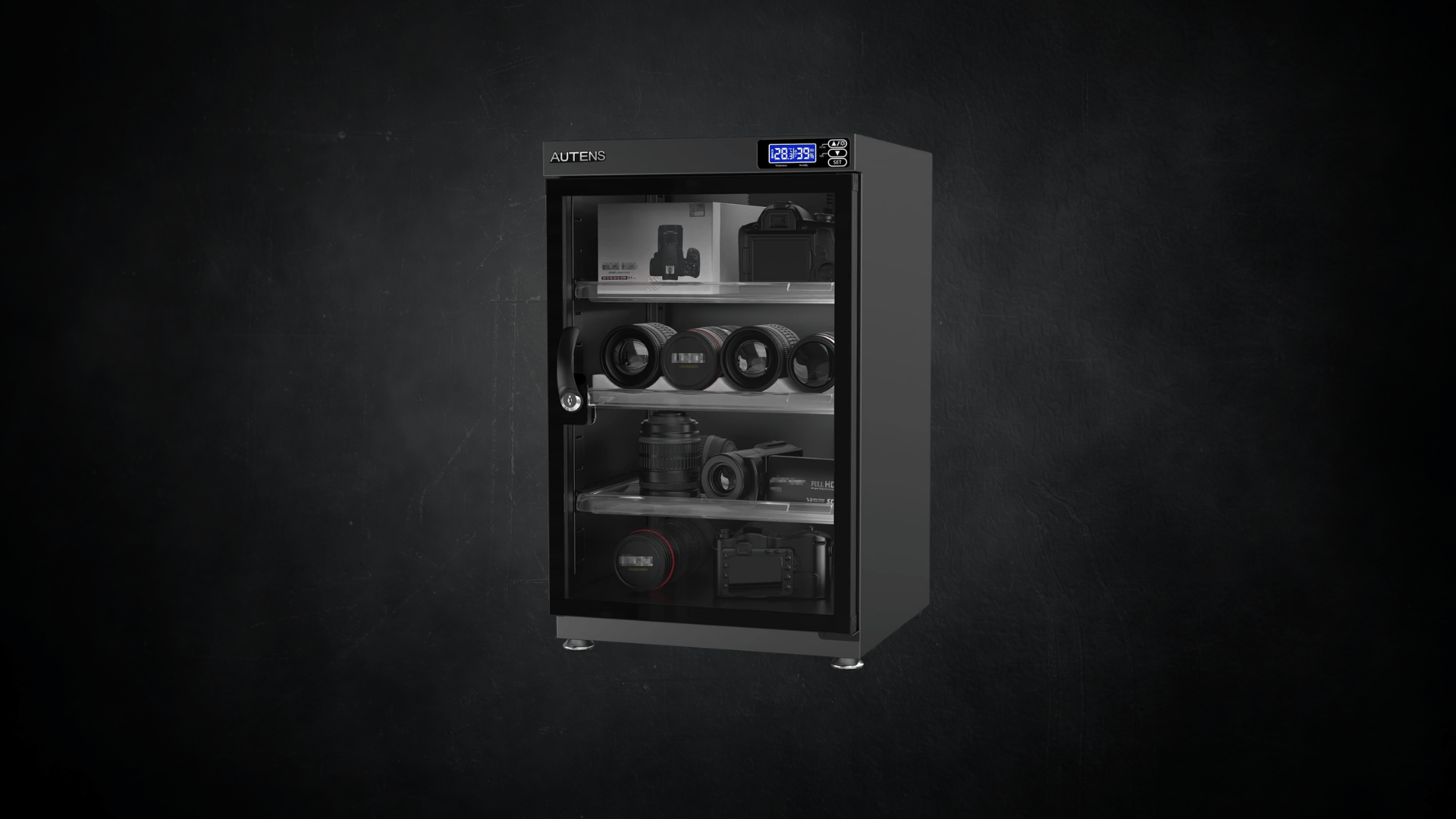
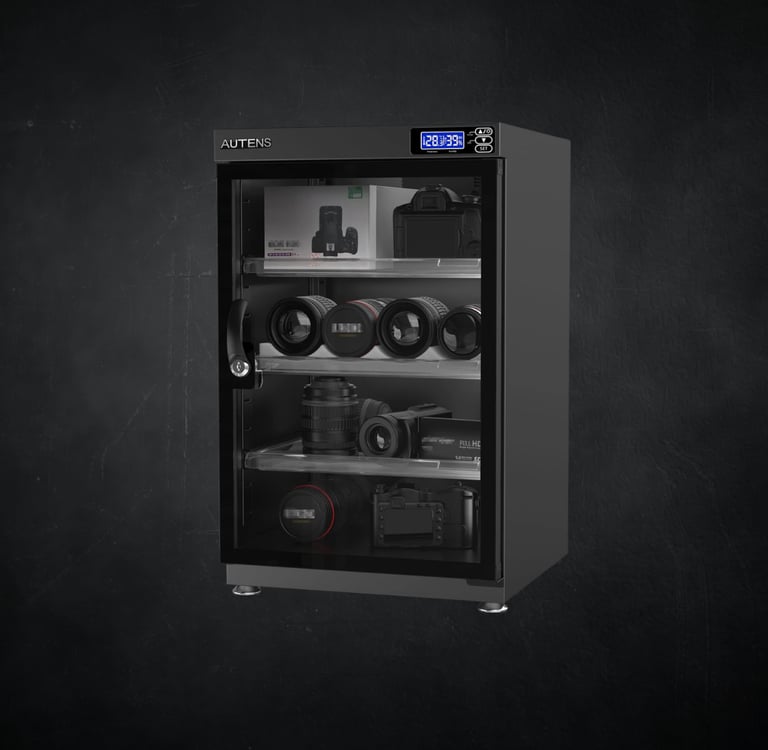
A humidity-controlled dry cabinet that keeps your cameras, lenses, and sensitive electronics safe from moisture, mold, and fungus damage.
Adjustable humidity control (25-60% RH)
Silent dehumidifying technology
Tempered glass door for visibility
Adjustable shelves for flexible storage
LED interior lighting
Low energy consumption (5-10W)
Why You Need the Dry Box Cabinet
Your camera gear is an investment — one that moisture can destroy silently. Fungus on a lens doesn't just appear overnight; it grows slowly in humid environments until the damage is irreversible. A single lens repair can cost more than this entire cabinet. The Dry Box Cabinet maintains the perfect humidity level for your cameras, lenses, microphones, and sensitive electronics, ensuring they perform like new for years. Every professional photographer and filmmaker knows: the gear you don't protect is the gear you'll replace. Don't wait until you see that first fungal thread inside your favorite lens.
Detailed Specifications
Capacity
25-100L (varies by model)
Humidity Range
25-60% RH (adjustable)
Power Consumption
5-10W
Door
Tempered glass with magnetic seal
Shelves
Adjustable padded shelves
Lighting
LED interior light
Dehumidifying Method
Electronic / Peltier
Noise Level
Silent operation (<25dB)
Display
Built-in hygrometer
Voltage
110V AC

PROS
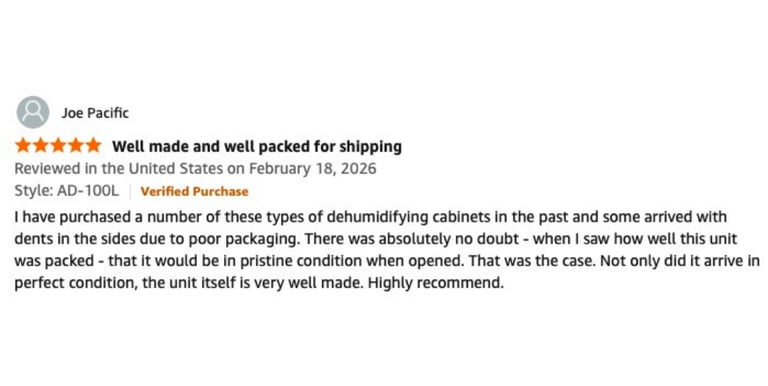
Precise humidity control protects against mold and fungus
Silent operation — no noise disturbance
Ultra-low power consumption
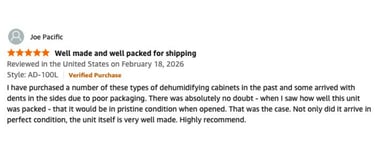
Tempered glass door for easy gear visibility
Adjustable shelves fit various gear sizes
Pays for itself by preventing costly repairs
CONS
Takes up physical space in your studio
Higher capacity models cost more
Requires a constant power outlet
Who This Camera Is
PERFECT For
Photographers
Filmmakers
Content creators who own valuable camera bodies, lenses, and audio equipment — especially those living in humid climates.
If your gear collection is worth more than a few hundred dollars, a dry cabinet is essential insurance.
In-Depth Review: Dry Box Cabinet
Most creators spend thousands on cameras and lenses but nothing on protecting them. It's the most overlooked aspect of gear ownership — and the most costly mistake you can make.
The Silent Killer: Humidity
Fungus doesn't announce itself. It grows silently inside your lenses, feeding on the coatings and organic materials. By the time you notice it, the damage is often permanent. A professional cleaning costs $100-300 per lens, and severe cases require complete element replacement — if it's even possible.
Why a Dry Cabinet Beats Every Alternative
Silica gel packets? They saturate within days and provide no consistent control. Rice? That's a myth that can actually introduce dust into your equipment. Ziplock bags? They trap existing moisture inside. A dry cabinet is the only solution that maintains a precise, constant humidity level 24/7 with zero maintenance.
What to Store Inside
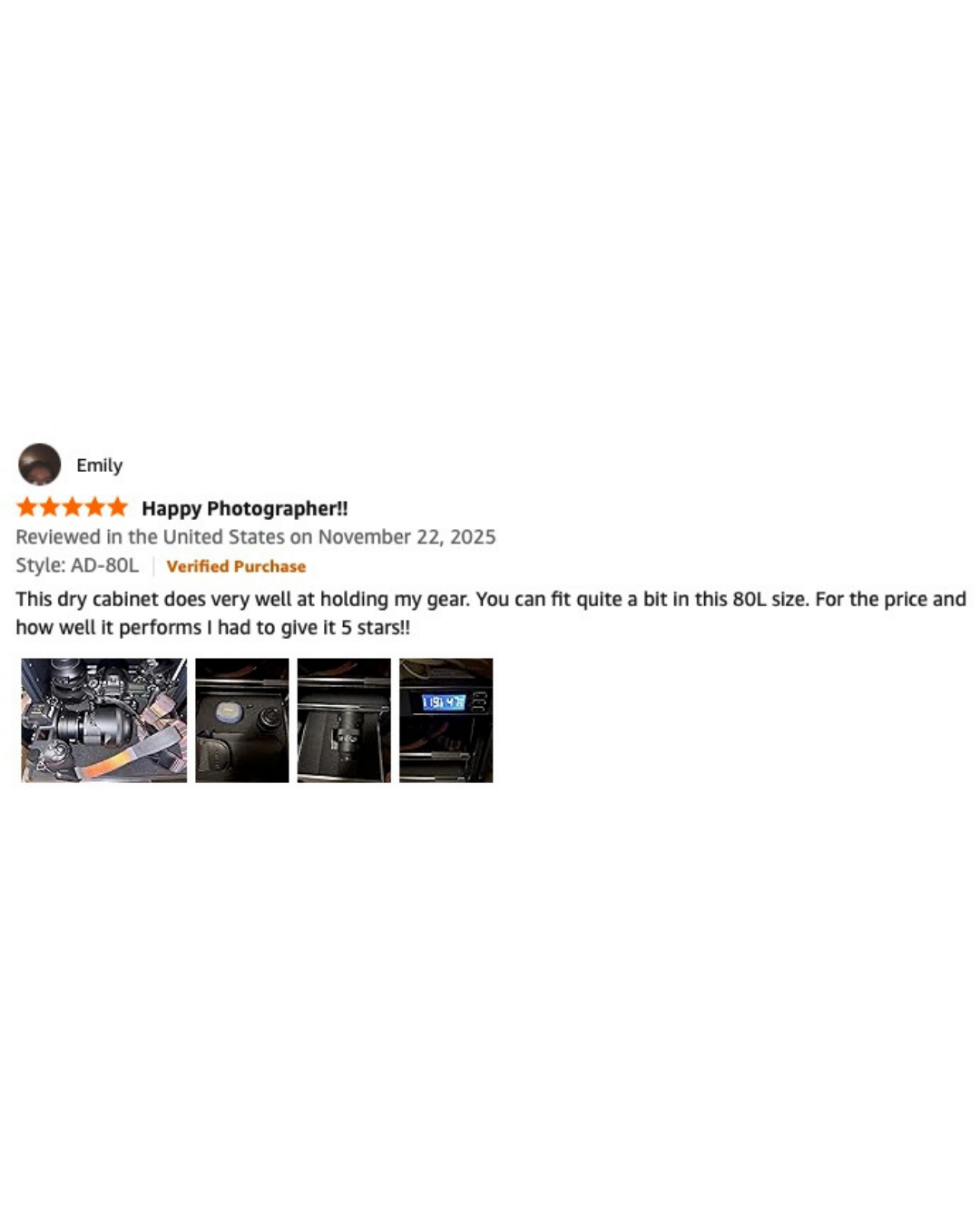
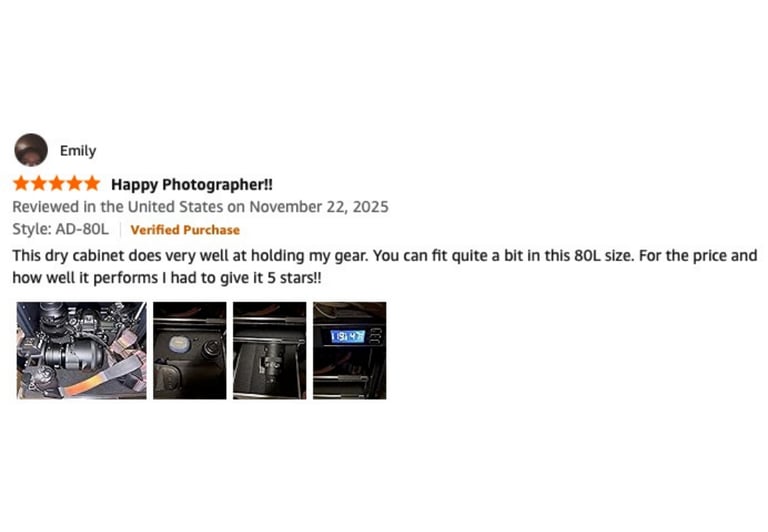
Your dry cabinet should house anything with glass optics or sensitive electronics: camera bodies, lenses (especially vintage glass), microphones, audio recorders, drone cameras, action cameras, and even film stock. Basically, if moisture can damage it, it belongs in the cabinet.
The Math That Justifies the Purchase
Let's say you own 3 lenses worth $500 each. One fungus incident costs $200 to clean — if it's cleanable. The cabinet costs $89 and runs for pennies a day in electricity. It's not a luxury; it's the cheapest insurance policy in photography.
Choosing the Right Size
Start with a cabinet that fits your current collection plus 30% extra space for growth. Most creators start with a 30-40L model and upgrade within a year as their collection grows. Better to have extra space than to leave gear unprotected.
Bottom Line
A dry box cabinet is the most boring, most essential purchase any serious creator can make. It's not exciting like a new lens or a fresh camera body — but it's the one piece of gear that protects everything else you own.
Contact
We are here to help with your questions.
© 2025. All rights reserved.